Water Extraction & Removal
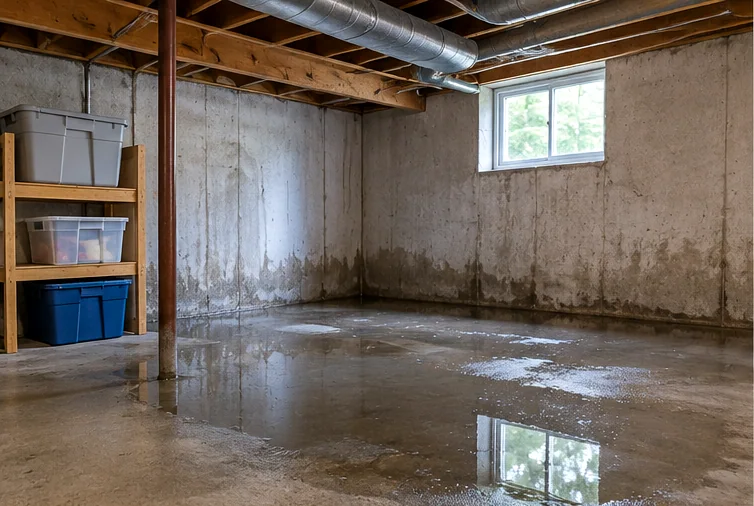
Pumping and extracting standing water from the basement.
For SoMa homeowners facing a flooded basement, the first phone call is where source, safety and scope get sorted out. MH Restoration provides basement flood remediation in SoMa and the rest of San Francisco, California.
For SoMa homeowners facing a flooded basement, the first phone call is where source, safety and scope get sorted out. MH Restoration provides basement flood remediation in SoMa and the rest of San Francisco, California.
The nine services cover water extraction, moisture inspection, structural drying, selective material removal, cleaning and sanitization, the stricter sewage process when it applies, contents handling and the planning of reconstruction. Availability for your specific address in SoMa is always confirmed by phone.
The remediation work is the same across California. What changes is how water reaches a basement in the first place, which is why the regional notes below are worth reading before the first call.
Many homes in SoMa include a lower-level garage. Those spaces take water from driveway runoff and overwhelmed street drainage, and the cleanup covers the water, finishes and equipment stored there.
Lower-level units are common in SoMa homes. A water loss can affect two households, which raises the importance of documentation, photos and a clear scope.
SoMa includes homes from many decades. True basements, half basements and crawl spaces all appear here. The scope follows what the room actually is.
Electrical, gas, structural and contamination hazards are ruled out first. If a plumber, sump specialist or utility is the right first contact, we say so.
Extraction removes standing water; inspection sets a baseline of readings on the affected materials in SoMa.
Removal for materials that cannot be dried or cleaned, based on readings and water category.
Drying runs with daily readings until the structure reaches a dry standard. This is the proof a basement is truly dry.
Clean water follows the cleaning and sanitization path. Sewage follows the sewage cleanup process.
Contents work and, after verified drying, reconstruction.
Pumping and extracting standing water from the basement.
Drying walls, floors and framing to a verified dry standard.
Safe cleanup of contaminated water and affected porous materials.
Removing silt and residue, then sanitizing where warranted.
Finding hidden moisture with meters and infrared screening.
Selective removal of materials that cannot be dried or cleaned.
Inventory, cleaning and salvage of belongings affected by the flood.
Rebuilding after drying is verified and cleaning is complete.
Cleanup and drying after a sump system failure flooded the basement.
SoMa is one of the areas we cover as part of our San Francisco service. The city page covers the main regional flood context and the ZIP codes in the current directory. Whether service is available at a specific SoMa address is always confirmed on the phone.
SoMa is part of our San Francisco coverage area. A neighborhood appearing in the directory indicates coverage planning, not a guaranteed crew at every property. Availability is always confirmed by phone for the specific address.
Within one city, the way water reaches a basement can still vary from one neighborhood to another based on drainage, grading and building age. The local context section on this page describes the common patterns we see in this area.
No. Our scope is remediation of the water damage. Plumbing, drainage, waterproofing, sump pump replacement and sewer line work are handled by the appropriate specialist for that trade.
It depends on the loss. Many basements reach a dry standard within several days of extraction. Finished basements with removed materials typically need additional reconstruction time before full use returns.
It depends on the water source and your policy. Review the California flood insurance guide on this site, and confirm the applicable coverage with your insurer. The coverage decision is theirs, not ours.