California flooded basement remediation • Direct company contactNorth Hollywood, Los Angeles, CA • Call to verify your ZIP+1 (888) 853-1821
MH Restoration · California services

Basement Cleaning & Sanitization in California

After pumping and drying, residues, silt, odors or contamination can remain. Cleaning and sanitization are different jobs and should never be treated as one-size-fits-all chemical spraying.

Professional scope depends on site conditions. Call with your property ZIP and the water source to check available next steps.

Illustrative visual related to Basement Cleaning & Sanitization
Illustrative visual for education; not a photograph of an MH Restoration customer job.
What this service includes

What Is Basement Cleaning & Sanitization?

Cleaning removes visible dirt and other matter from materials. Sanitizing or disinfecting means applying a suitable labeled treatment where the conditions warrant it. A water loss from a clean supply line is not the same as a basement contaminated by a sewer backup or flood runoff. Restoration professionals assess whether accessible hard surfaces can be cleaned and dried or whether porous material is too damaged to retain. Applying chemicals to dirty or wet materials without the proper preparation may not solve the problem.

The first useful question is not just whether the basement is wet, but what happened to the affected materials. Clean affected surfaces appropriately is one part of a larger remediation decision. A responsible scope distinguishes this work from other services such as extraction, structural drying, sewage handling and repair, so you do not pay for the same task twice under different names.

Our site also explains flooded basement remediation as the full assessment-to-recovery process, while this page addresses specific basement cleaning and sanitization questions in detail.

Basement Cleaning & Sanitization technical service illustration

Scope before equipment

Safety, water origin, contamination, building materials and required follow-up work should be discussed before the method is selected.

Situations homeowners face

When Might You Need Basement Cleaning & Sanitization?

Different causes can produce similar puddles or stains. These examples show why the right procedure depends on the water, the building and the materials exposed.

Sediment remains after stormwater intrusion

Remove debris and soil before selecting further cleaning and drying steps.

An odor returns after the basement seems dry

Look for hidden moisture or contaminated materials instead of relying on fragrance.

Painted walls, tile and concrete are affected

Use substrate-compatible methods; some surfaces are recoverable while others are not.

Finished lower-level furnishings are damp

Material composition and water source affect cleaning and salvage choices.

Our method and safety considerations

How Basement Cleaning and Appropriate Sanitization Work

These are common professional decision points, not a fixed sequence for every property. The scope must respond to safety, contamination and the source of water.

Safety and source

Review source water and identify contamination concerns before disturbing residues.

Document the loss

Remove accessible debris and soil and segregate unsalvageable materials.

Choose the method

Clean appropriate surfaces using methods suited to their composition.

Assess concealed effects

Apply compatible sanitizing or disinfecting products only where indicated and follow labels.

Verify and hand over

Inspect and document remaining moisture or materials needing further work.

Service boundaries: Cleaning and sanitization are not substitutes for drying concealed cavities or correcting recurrent water intrusion.
Material decisions

How Different Basement Materials Affect Basement Cleaning & Sanitization

Two wet rooms can need different work because the same amount of water affects a concrete slab, a finished wall and a storage area differently.

Material or areaWhat should be evaluated
Masonry and concreteCan often be cleaned but coatings and trapped moisture still matter.
Ceramic tileHard surfaces may respond to cleaning; substrate and grout conditions vary.
DrywallDeeply contaminated gypsum cannot be made safe merely by spraying the face.
TextilesFabric-specific cleaning and drying may be needed; salvage is conditional.

Never assume a fixed demolition height, a universal drying deadline or a guaranteed salvage result without evaluating the specific property.

Document the work

How Do You Know the Remediation Scope Is Appropriate?

Ask what the technician saw, what was measured, which materials were affected and why a particular approach was chosen. Photos and written notes can make estimates easier to understand and insurance records more useful.

  • What caused the water entry, and has the source been corrected or referred to the correct trade?
  • Which rooms, materials and belongings were examined?
  • Which work is necessary now, and which work is conditional on further findings?
  • Will monitoring or additional inspection establish what happens next?
  • Are cleaning, demolition, equipment and reconstruction separate line items?
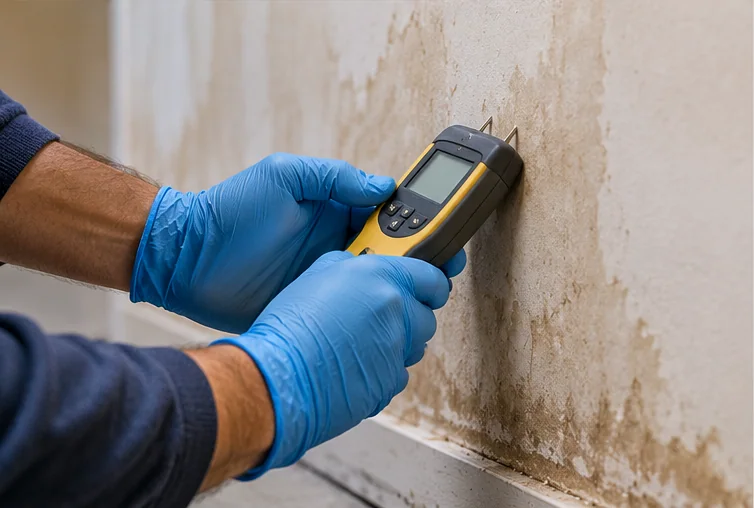
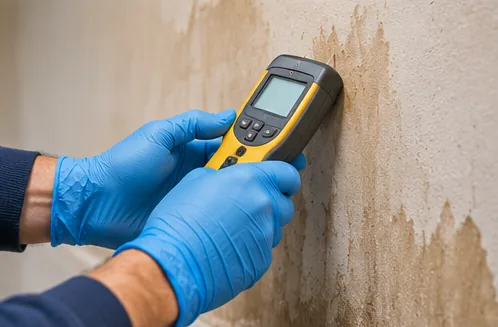
Illustrative moisture assessment of a lower basement wall
Illustrative visual for education; not a photograph of an MH Restoration customer job.
Estimate transparency

What Affects the Cost?

Contamination, affected surfaces, debris, exposure duration and whether porous materials require replacement drive the scope.

A useful written estimate identifies labor, equipment, material decisions, monitoring and any exclusions. It should not hide the difference between flood mitigation and later rebuilding.

Insurance & documentation

Does Insurance Cover This Work?

Coverage depends on the policy and actual water source. External flooding often falls outside a standard homeowners policy, while certain sudden plumbing losses or water-backup endorsements may be handled differently. NFIP policies place special limits on many basement finishes and possessions.

Take safe photographs, keep the itemized scope and ask the insurer about deductibles, limitations and authorizations. MH Restoration cannot guarantee an insurer’s decision.

Connected services and places

Related Basement Remediation Services in California

Basement Water Extraction & Removal illustration

Basement Water Extraction & Removal

This related service may be needed depending on the source, contamination, materials and moisture conditions found during assessment.

Read service details →
Basement Structural Drying & Dehumidification illustration

Basement Structural Drying & Dehumidification

This related service may be needed depending on the source, contamination, materials and moisture conditions found during assessment.

Read service details →
Basement Sewage Backup Cleanup illustration

Basement Sewage Backup Cleanup

This related service may be needed depending on the source, contamination, materials and moisture conditions found during assessment.

Read service details →

Browse local service-area pages

Los Angeles CountySan Diego CountyOrange CountyRiverside CountySan Bernardino CountySacramento CountyAlameda CountySanta Clara County
Service-specific decision guide

What cleaning, disinfection and deodorizing each mean

Cleaning removes soil and residue from appropriate surfaces. Disinfection, when warranted, follows the label and exposure requirements of the selected product after suitable cleaning. Deodorizing may address a remaining symptom but cannot substitute for removing contamination or correcting retained moisture. Do not mix chemical products or assume every wet material can be disinfected in place.

Before authorizing work, ask for the water-source assessment, materials to be evaluated, an itemized written scope, what is excluded, and the evidence used to decide when work is finished.

Specialist explanation

Cleaning and sanitizing are not synonyms

Physical debris and soil must be addressed before any appropriate antimicrobial or disinfectant method is considered. Product selection depends on surface and contamination; chemical spraying is not a substitute for removing unsalvageable materials. Never mix bleach with ammonia or other cleaning agents.

Which decisions make the biggest difference?

For basement cleaning & sanitization, it matters whether the water came from a burst supply line, outside runoff, a sewer/drain backup, groundwater or a sump malfunction. Those sources vary in potential contamination and the work needed after visible water is removed. The materials matter too: a bare concrete slab behaves differently from carpet pad, insulation, finished wood, or a concealed wall cavity.

Age alone is not a reason to throw out every item, and a dry-looking surface is not proof that adjacent materials have reached acceptable conditions. The scope should reflect on-site observations, material limitations and any specialist trade required. Ask which surfaces need detergent cleaning, which need approved disinfection, and how those choices are documented.

MH Restoration uses this page to explain the distinction between basement cleaning and sanitization and related work. A customer who needs broader flooded basement remediation in California can start with the main service overview; this page addresses the specialist task.
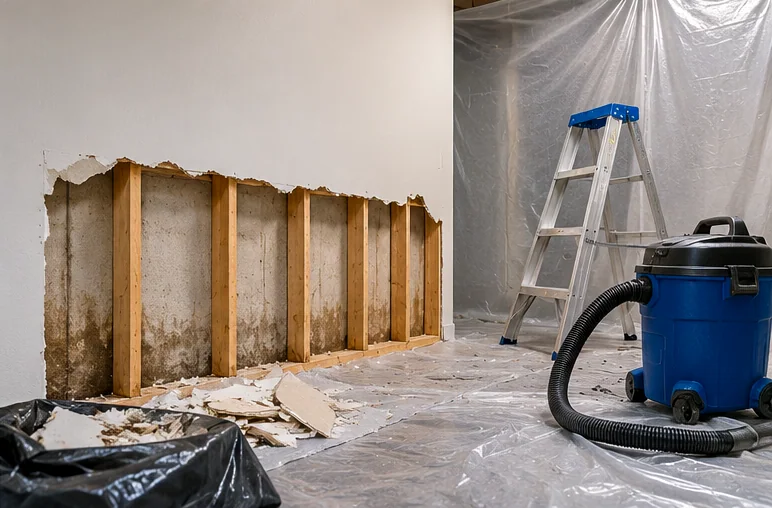
Illustrative basement cleaning & sanitization equipment and conditions
Illustrative equipment / condition; not an MH Restoration completed job.
What the work order should cover

From Initial Assessment to Completion: Basement Cleaning & Sanitization

Before the job

Confirm the immediate hazard, note the probable water source, review the affected area and discuss any plumbing, electrical or structural issue that must be handled separately. A technician may need access to the edges of flooring or behind baseboards to understand the water movement. Your estimate should distinguish observed damage from possible hidden damage.

During the job

Ask what equipment, containment, removal, cleaning or testing is being used and for what reason. Photographing conditions and noting affected materials can help clarify the scope. Unexpected discoveries should trigger explanation and an agreed change order rather than an unexplained bill.

After the job

Review final conditions and any remaining repair needs. Where drying is performed, ask how moisture goals and final readings were evaluated. Where materials were removed, confirm the openings are ready for a separate restoration or reconstruction decision. Keep an itemized invoice, work authorization and relevant photos.

What this service does not automatically include

Water-damage work is often divided between emergency stabilization, removal, drying, cleaning, contents handling and rebuilding. Basement Cleaning & Sanitization should not be interpreted as an automatic contract for every other part of the loss. Permanent plumbing repairs, sump pump replacement, foundation waterproofing and other specialized repairs may require another qualified contractor. Ask which tasks MH Restoration can provide for your address and which will be referred or quoted separately.

For California property owners, the cause of the loss also matters when speaking with the insurer. General flooding, sewage backups and sudden indoor plumbing failures can involve different policies or endorsements. An insurance claim decision belongs to the insurer under the policy's terms, not to a website or restoration crew.

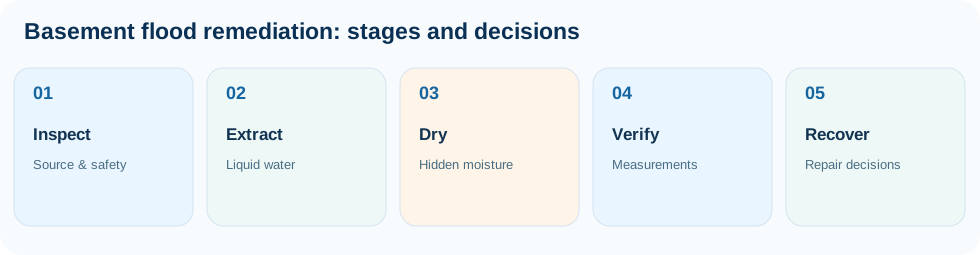
Diagram of assessment, extraction, drying, verification and recovery stages
Work may involve several phases; not every project requires every phase.
California location directory

Basement Cleaning & Sanitization in California Cities and Counties

Use the location links below to read location-specific basement water information and find approved postal references. A listed ZIP is not a guarantee that an appointment or emergency dispatch is available.

Enter a city name or five-digit ZIP to find the matching service-area listing.

Directory results are postal references. Call to confirm availability for your street address.

Browse all 188 published city and community pages Browse the eight published counties

Further reading: U.S. EPA flood cleanup · California insurance guide · IICRC S500 overview. These resources supply general guidance; they do not confirm the cause of water at an individual property.

Questions about Clean affected surfaces appropriately

Frequently Asked Questions

What is the difference between cleaning and sanitizing?

Cleaning removes dirt and organic matter; sanitizing or disinfecting is a separate treatment with specific conditions and products.

Does every basement flood require bleach?

No. The water source and affected surfaces determine the appropriate response.

Will deodorizer fix a musty basement?

No. Persistent odor should prompt an investigation for moisture, damaged materials or contamination.

Can I mix household cleaners?

Never mix bleach or other cleaning products together; dangerous reactions can occur.

How can I confirm service in my ZIP code?

Call MH Restoration at +1 (888) 853-1821 and provide the property ZIP code and the likely source of the water. Availability is confirmed by phone.

What should I do if there is an electrical or sewage hazard?

Do not enter standing water that might be electrically dangerous or contaminated. Keep people and pets away, and contact the relevant qualified utility or emergency provider.

Reference sources: EPA flood cleanup · IICRC S500 reference · California insurance guidance · CSLB licensing check · Geographic details describe regional conditions, not a hazard determination for an individual property.

Need to discuss a wet basement?

Tell us what happened and where.

Call MH Restoration with your ZIP code, likely water source and any known safety concerns.

☎ Call +1 (888) 853-1821