Water Extraction & Removal
Pumping and extracting standing water from the basement.
MH Restoration provides flooded basement remediation across confirmed service areas in Stockton, with the full nine-service scope and honest limits. The cleanup is the same across California. What changes here is the local context, which we walk through below.
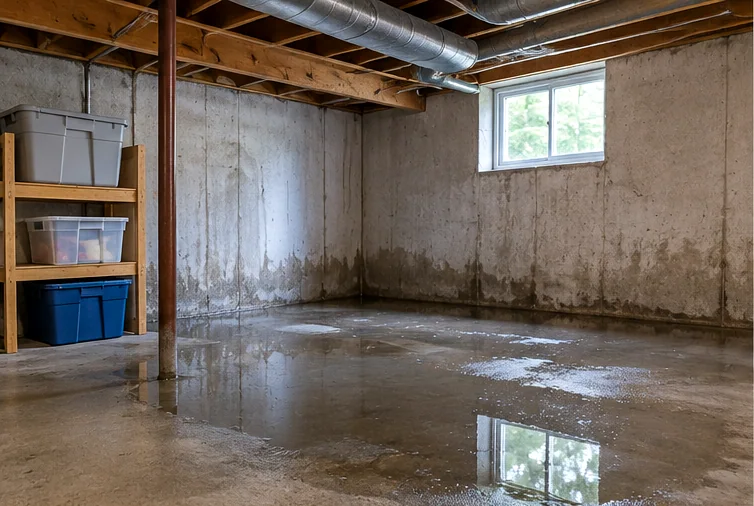
Stockton sits at the top of the Sacramento and San Joaquin river delta. Basement and lower-level losses here are shaped by levee geography, saturated-ground conditions and the ordinary plumbing problems any city sees in any season. MH Restoration provides flooded basement remediation across confirmed service areas in Stockton, with the full nine-service scope. Availability for your street address is always confirmed by phone.
The cleanup covers extraction, moisture inspection, structural drying, selective material removal where it is needed, cleaning and sanitization or the stricter sewage process when it applies, contents handling and the planning of reconstruction. We keep the scopes separate so an estimate is honest and so the work follows what the basement actually needs rather than a template.
The remediation work is the same across California. What changes is how water reaches a basement in the first place, which is why the local notes below are worth reading.
Stockton's flood exposure is tracked by the California Department of Water Resources. DWR has reported progress on the Lower San Joaquin River Project, including a Tenmile Slough levee segment completion in late October 2026, which is part of a broader effort to reduce flood exposure across parts of north and central Stockton. Property-level outcomes still depend on neighborhood and elevation.
During prolonged wet-season rain, saturated ground raises groundwater, and in some Stockton neighborhoods water can enter lower rooms through the slab or wall-floor joint before surface flooding is visible. That is a different cleanup from a clean plumbing leak, and the honest answer about recurrence usually points to a drainage specialist rather than extraction alone.
Stockton has older downtown housing and newer suburban developments. Basement types vary. Not every Stockton home has a traditional basement, and the first call confirms what the actual room is before scope is discussed.
The broader San Joaquin County area mixes urban Stockton and Lodi with surrounding agricultural land. For residential basement work, that does not change the scope inside the home, but it can change access and local services involved around it.
These are patterns from the kinds of calls we take in the Stockton area. They are not diagnoses of your property, which only on-site assessment can confirm.
Stockton sees the same Northern California winter rain pattern as the rest of the delta. Multi-day storms raise groundwater at the same time runoff is at its peak, which makes drying times longer and material decisions more cautious.
Finished lower-level rooms used as media rooms, offices or guest spaces take the brunt of a delta-region flood. Saturated drywall, insulation and flooring are the usual decisions here.
If water came in from outside, a standard homeowners policy may not cover it, and NFIP has specific basement limitations that catch homeowners by surprise. The site's insurance guide walks through how the water source changes the coverage path.
Older Stockton homes have mixes of plaster, drywall, original hardwood and more modern finishes. Cleanup decisions respect what the material actually is rather than treating every wall as 2026 drywall.
We rule out electrical, gas, structural and contamination hazards on the phone first, and get the right trade in front of the problem.
Extraction removes standing water, with pace managed for deep-water situations where outside pressure matters.
Inspection finds hidden moisture and documents baseline readings.
Removal for materials that cannot be dried or cleaned, based on readings and water category.
Drying runs with monitoring until readings reach a dry standard.
Cleaning for clean-water jobs. Sewage cleanup for contaminated events.
Contents work and, after drying is verified, reconstruction.
Pumping and extracting standing water from the basement.
Drying walls, floors and framing to a verified dry standard.
Safe cleanup of contaminated water and affected porous materials.
Removing silt and residue, then sanitizing where warranted.
Finding hidden moisture with meters and infrared screening.
Selective removal of materials that cannot be dried or cleaned.
Inventory, cleaning and salvage of belongings affected by the flood.
Rebuilding after drying is verified and cleaning is complete.
Cleanup and drying after a sump system failure flooded the basement.
Stockton sits within San Joaquin County, which shapes the regional water-source assumptions we bring into the first call. Coverage planning in this county also includes surrounding communities; whether service is available at a specific address is always confirmed on the phone.
Storm, plumbing, sewer, sump or groundwater. The source changes the cleanup downstream.
What homeowners, NFIP, sewer-backup and sump-overflow policies usually cover by water source.
How a basement is actually proven dry, with readings and a drying log, not appearance.
Coverage in Stockton is confirmed by phone. A city appearing in the directory indicates coverage planning, not a guaranteed crew at every property. Call with your ZIP and we will tell you honestly what is available for your street.
They vary. Several of the common patterns for Stockton are described in the local context section above, including the ways water typically reaches a basement in the surrounding area. Your property may fit one of those or a different source entirely, which the first call narrows down.
No. Our scope is remediation of the water damage. Plumbing, drainage, waterproofing, sump pump replacement and sewer line repair are separate trades. We coordinate with them so the work happens in the right order.
It depends on the loss. Many basements reach a dry standard within several days of extraction. Finished basements with removed drywall, insulation or flooring need additional time for reconstruction before full use returns. The drying log tells you when the structure is actually ready for the rebuild.
Yes, when it is proven by moisture readings compared to reference readings in unaffected areas, not by appearance. Our drying verification guide walks through what the log should show and the signs that drying is not done yet.