Water Extraction & Removal
Pumping and extracting standing water from the basement.
MH Restoration provides flooded basement remediation across confirmed service areas in Santa Cruz, with the full nine-service scope and honest limits. The cleanup is the same across California. What changes here is the local context, which we walk through below.
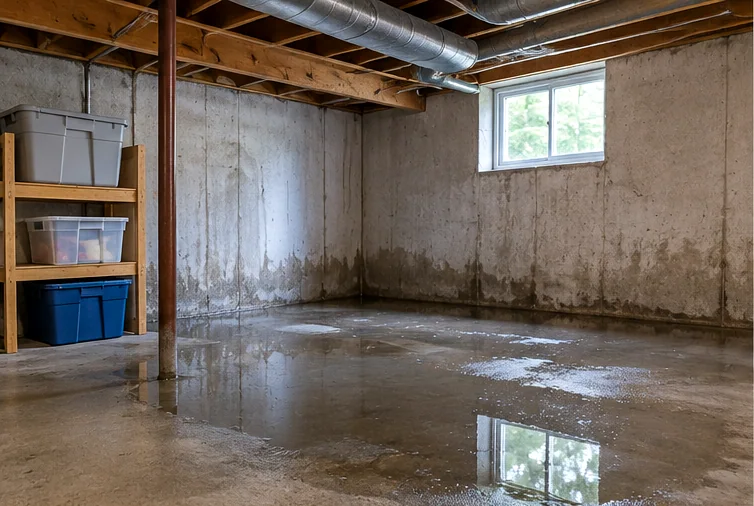
Santa Cruz County sees intense Pacific winter storms, coastal flooding risk in parts of the city, and the inland Pajaro River flood history. Basement calls here reflect both coastal and inland patterns, with mountain-community cases of their own. MH Restoration provides flooded basement remediation across confirmed service areas in Santa Cruz, with the full nine-service scope. Availability for your street address is always confirmed by phone.
The cleanup covers extraction, moisture inspection, structural drying, selective material removal where it is needed, cleaning and sanitization or the stricter sewage process when it applies, contents handling and the planning of reconstruction. We keep the scopes separate so an estimate is honest and so the work follows what the basement actually needs rather than a template.
The remediation work is the same across California. What changes is how water reaches a basement in the first place, which is why the local notes below are worth reading.
The city's official hazard mapping discusses coastal storm flooding and rising tides in particular areas. Properties within those zones have a different water-source assumption from those on higher ground, even in the same city.
The Pajaro River and its tributaries have a documented flood history, including the 2023 levee breach that caused serious flooding in Pajaro and affected surrounding communities. Cleanup after a river or levee event is a different situation from a plumbing leak, and the water category often shifts the material decisions.
Up in the Santa Cruz Mountains, winter runoff, downed trees and saturated ground drive different problems. Access can be harder in storm-affected areas, and basement spaces up there are often small utility areas rather than finished rooms.
Older Santa Cruz housing on sloped lots brings its own below-grade and lower-level room variety. The cleanup scope follows what is actually there, not a template.
These are patterns from the kinds of calls we take in the Santa Cruz area. They are not diagnoses of your property, which only on-site assessment can confirm.
Properties in coastal and lower-lying areas see winter storms push water into lower rooms. The sediment level and water category vary with the source.
Inland Pajaro Valley properties have a different flood-risk conversation. Remediation handles the damage. Drainage, levee and property-level flood planning are separate concerns.
Storm events can make access to properties in the mountains difficult. Cleanup planning accounts for that rather than promising arrival times that cannot be kept.
External flooding is generally excluded from a standard homeowners policy, and NFIP basement limits catch homeowners by surprise. Our California flood insurance guide walks through the matrix.
We rule out electrical, gas, structural and contamination hazards on the phone first, and get the right trade in front of the problem.
Extraction removes standing water, with pace managed for deep-water situations where outside pressure matters.
Inspection finds hidden moisture and documents baseline readings.
Removal for materials that cannot be dried or cleaned, based on readings and water category.
Drying runs with monitoring until readings reach a dry standard.
Cleaning for clean-water jobs. Sewage cleanup for contaminated events.
Contents work and, after drying is verified, reconstruction.
Pumping and extracting standing water from the basement.
Drying walls, floors and framing to a verified dry standard.
Safe cleanup of contaminated water and affected porous materials.
Removing silt and residue, then sanitizing where warranted.
Finding hidden moisture with meters and infrared screening.
Selective removal of materials that cannot be dried or cleaned.
Inventory, cleaning and salvage of belongings affected by the flood.
Rebuilding after drying is verified and cleaning is complete.
Cleanup and drying after a sump system failure flooded the basement.
Santa Cruz sits within Santa Cruz County, which shapes the regional water-source assumptions we bring into the first call. Coverage planning in this county also includes surrounding communities; whether service is available at a specific address is always confirmed on the phone.
Storm, plumbing, sewer, sump or groundwater. The source changes the cleanup downstream.
What homeowners, NFIP, sewer-backup and sump-overflow policies usually cover by water source.
How a basement is actually proven dry, with readings and a drying log, not appearance.
Coverage in Santa Cruz is confirmed by phone. A city appearing in the directory indicates coverage planning, not a guaranteed crew at every property. Call with your ZIP and we will tell you honestly what is available for your street.
They vary. Several of the common patterns for Santa Cruz are described in the local context section above, including the ways water typically reaches a basement in the surrounding area. Your property may fit one of those or a different source entirely, which the first call narrows down.
No. Our scope is remediation of the water damage. Plumbing, drainage, waterproofing, sump pump replacement and sewer line repair are separate trades. We coordinate with them so the work happens in the right order.
It depends on the loss. Many basements reach a dry standard within several days of extraction. Finished basements with removed drywall, insulation or flooring need additional time for reconstruction before full use returns. The drying log tells you when the structure is actually ready for the rebuild.
Yes, when it is proven by moisture readings compared to reference readings in unaffected areas, not by appearance. Our drying verification guide walks through what the log should show and the signs that drying is not done yet.